
Mukbang Trend vs European Perceptions of American Food and Culture During the 2026 World Cup
The 2026 World Cup, hosted across the United States, Canada, and Mexico, brought more than just thrilling soccer matches. It sparked a cultural exchange that revealed contrasting views on food and lifestyle, especially European perceptions of American culture.
mukbang eating style carries several hidden risks that can affect physical health, mental well-being, and social habits.
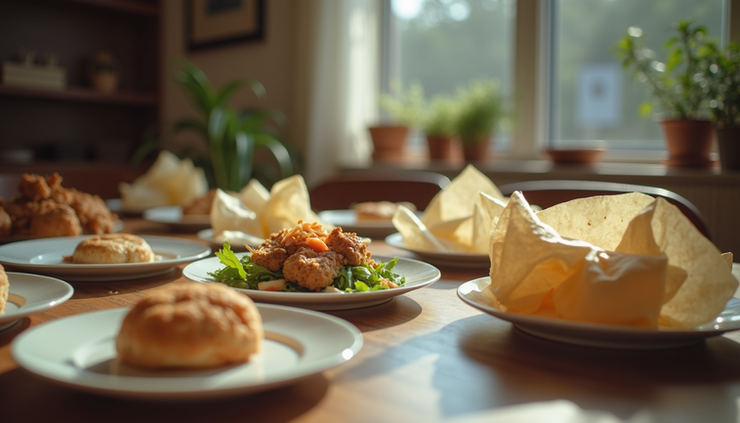
Mukbang, a trend originating from South Korea, involves eating large quantities of food on camera while interacting with an audience. This style of eating has gained global popularity, attracting millions of viewers and inspiring many to imitate the practice. While it may seem entertaining and harmless, adopting a mukbang eating style carries several hidden risks that can affect physical health, mental well-being, and social habits.

Physical Health Risks of Mukbang Eating
Eating like a mukbang host often means consuming excessive amounts of food in a short period. This behavior can lead to several health problems:
Overeating and Weight Gain
Mukbang meals typically involve high-calorie foods such as fried dishes, sugary snacks, and processed items. Regularly eating large portions can cause rapid weight gain and increase the risk of obesity.
Digestive Issues
Consuming huge quantities of food quickly puts stress on the digestive system. It can cause indigestion, acid reflux, and bloating. The stomach may struggle to process such large meals efficiently.
Increased Risk of Chronic Diseases
Diets high in unhealthy fats, sugars, and salt contribute to heart disease, diabetes, and high blood pressure. Mukbang eating patterns often lack nutritional balance, increasing vulnerability to these conditions.
Poor Eating Habits
The focus on quantity over quality can lead to neglecting essential nutrients. This imbalance affects energy levels, immunity, and overall health.
Mental and Emotional Impact
Mukbang is not just about food quantity; it also involves the social and psychological aspects of eating:
Disordered Eating Patterns
Mimicking mukbang can encourage binge eating behaviors. The pressure to consume large amounts may override natural hunger cues, leading to unhealthy relationships with food.
Emotional Stress
Some individuals use mukbang-style eating to cope with loneliness or anxiety. This can create a cycle where food becomes a source of comfort rather than nourishment.
Body Image Concerns
Watching mukbang videos may distort perceptions of normal eating and body size. It can contribute to unrealistic expectations and dissatisfaction with one’s own eating habits or appearance.
Social and Lifestyle Consequences
Adopting a mukbang eating style can also affect daily life and social interactions:
Isolation and Screen Time
Mukbang often involves eating alone while streaming or watching videos. This can increase screen time and reduce face-to-face social interactions, impacting mental health.
Disrupted Meal Patterns
Regular meals may be replaced by irregular, large eating sessions. This disrupts metabolism and can interfere with work, sleep, and physical activity.
Financial Costs
Consuming large amounts of food frequently can become expensive. It may strain budgets, especially if unhealthy fast food or takeout is involved.
How to Enjoy Mukbang Responsibly
Mukbang does not have to be harmful if approached with care. Here are some tips to enjoy this trend without risking health:
Moderate Portion Sizes
Instead of large quantities, focus on smaller portions and savor the flavors. This reduces the risk of overeating.
Choose Balanced Meals
Include vegetables, lean proteins, and whole grains. Avoid relying solely on fried or processed foods.
Listen to Your Body
Eat when hungry and stop when full. Avoid eating just for entertainment or social pressure.
Limit Screen Time
Balance mukbang viewing or streaming with real-life social activities and physical exercise.
Seek Support if Needed
If you notice signs of disordered eating or emotional stress related to food, consider talking to a healthcare professional.

Final Thoughts on Mukbang Eating
Mukbang offers entertainment and a sense of connection for many people. Yet, adopting its eating style without caution can lead to serious health and lifestyle problems. Being aware of these risks helps you make better choices about how to enjoy food and social trends safely. Focus on balance, listen to your body, and remember that eating should support your well-being, not harm it.

Understanding the Mubang Trend
Mubang, a portmanteau of "mukbang" and "urban," refers to a popular trend where people share videos or live streams of themselves eating large quantities of food, often with an emphasis on Asian cuisine. Originating in South Korea, Mubang has evolved into a global phenomenon, blending entertainment with food culture. During the 2026 World Cup, Mubang gained traction among fans and food enthusiasts who wanted to experience diverse flavors while enjoying the matches.
Why Mukbang eating is dangerous
European Views on American Food and Culture
Europeans have long held mixed opinions about American food and culture. The 2026 World Cup intensified these views, as many European visitors and commentators shared their impressions.
Common European Perceptions
Fast Food Dominance: Many Europeans saw American food as heavily reliant on fast food chains, often associating it with unhealthy eating habits.
Portion Sizes: The large portion sizes typical in the US surprised some Europeans, who are accustomed to smaller servings.
Cultural Diversity: While American food is often stereotyped as fast food, many Europeans appreciated the multicultural influences, especially in cities hosting World Cup events.
Casual Lifestyle: The relaxed, informal dining style in the US was both praised for its friendliness and critiqued for lacking refinement compared to European dining traditions.
These perceptions were shaped by both direct experiences during the World Cup and longstanding cultural narratives.

European Perceptions
European views on American food and culture represent different ways of engaging with food during the World Cup.
European Critiques and Appreciations
Europeans often viewed American food culture through a lens of skepticism but also curiosity.
The World Cup offered opportunities to experience the multicultural food scene in the US, which many found surprising and enjoyable.
Some Europeans noted that American food culture is evolving, with more emphasis on quality, health, and variety than in the past.
Key Differences
| Aspect | Mukbang Trend | European Perceptions |
|----------------------|-------------------------------------|------------------------------------|
| Food Focus | Asian cuisine, diverse dishes | American fast food, multicultural |
| Experience | Interactive, communal, digital | Observational, cultural comparison |
| Portion Size | Varied, often large servings | Noted as large, sometimes excessive|
| Cultural Impact | Expands food culture beyond borders | Reflects traditional views and evolving trends |
Examples from the 2026 World Cup
In cities like New York and Los Angeles, Mukbang events were organized where fans gathered to watch matches and share Asian street food, blending sports and food culture.
European visitors often shared their surprise at the variety of food trucks and ethnic restaurants available near stadiums, which contrasted with their expectations of American food.
Social media buzzed with comparisons between the casual, eating style and the more formal dining experiences Europeans are used to.

What This Means for Global Food Culture
The 2026 World Cup highlighted how food trends can influence perceptions and break down stereotypes. It showed that:
Europeans Came For The World Cup… Now They Don’t Want To Leave USA!
Food is a powerful way to connect cultures during global events.
Younger generations are driving interest in diverse, interactive food experiences.
Traditional views on American food are shifting as the country embraces multiculturalism and innovation.
Fans and visitors learned that American food culture is not monolithic but a dynamic mix of influences.



Comments